Your home’s outdoor space should be a private sanctuary—a place for weekend barbecues, gardening, or relaxing on the patio. Few things ruin that outdoor experience faster than a sudden, persistent waft of foul wastewater odor drifting across your lawn. While it is easy to blame a passing garbage truck or a neighbor’s compost bin, an unpleasant sewage smell rising directly from your grass or garden beds is usually a warning sign of a hidden subsurface plumbing failure.
Telltale Outdoor Signs of a Cracked Sewer Line
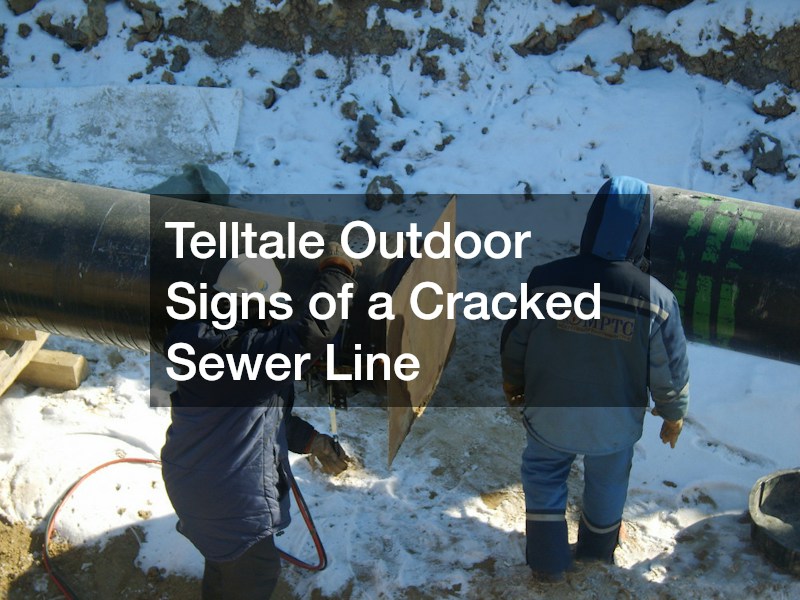
Because your main sewer pipe is buried anywhere from two to eight feet below the surface, you cannot visually inspect the pipe without excavation. However, as wastewater and sewer gas escape through a structural crack, they leave clear physical clues on the surface of your yard.
Abnormal Yard and Soil Changes
Wastewater contains high levels of nitrogen, phosphorus, and moisture. When a buried pipe cracks, escaping liquid acts as an unintended underground fertilizer and irrigation source, altering the physical environment above it.
- Unusually Green, Lush Lawn Patches: If a specific strip or circular patch of grass appears noticeably greener, thicker, and grows faster than the surrounding lawn, it may be feeding on nutrient-rich effluent leaking from a broken pipe below.
- Soggy Spots and Unexplained Sinkholes: As wastewater leaks into the surrounding dirt, it saturates the sub-base, causing the soil to shift or wash away entirely. This leads to persistent muddy patches during dry weather, squishy turf, or sudden dips and sinkholes along the path of your underground utility corridor.
Pests and Environmental Irregularities
Insects and burrowing pests have a keen sense of smell for organic waste and moisture. A crack in your main lateral turns your lawn into an attractive breeding ground for unwanted pests.
- Pest Activity Spikes: A sudden influx of fruit flies, drain flies, or mosquitoes hovering over specific areas of your lawn often points to subsurface sewage accumulation. Similarly, rodents and burrowing pests are drawn to the moisture and can follow the scent down to the breached pipe.
- Navigating Professional Diagnostic Help: When surface clues suggest an underground breach, contacting a qualified sewer repair company ensures your utility line is evaluated using specialized diagnostic tools rather than guesswork. Enlisting experienced technicians for comprehensive sewer line services allows you to pinpoint the exact depth, location, and severity of the pipe damage before making decisions about repairs.
Indoor Warning Signals That Mirror Outdoor Sewer Leaks
Your plumbing system is a closed, balanced network that relies on gravity and proper venting. A structural breach in the main line outdoors directly affects how indoor fixtures drain, creating clear warning signs inside your home that match the symptoms in your yard.
Drain Sluggishness Across Multiple Fixtures
When an isolated indoor drain runs slowly, the issue is usually a localized clog in the P-trap directly beneath that sink or shower. However, when a structural crack occurs in the main line outdoors, it affects the drainage of your entire home.
- Simultaneous Fixture Backups: If water backs up into your basement shower whenever you flush a main-floor toilet, or if your kitchen sink drains at a crawl while the washing machine empties, the restriction is located down the main lateral line outside your home’s foundation.
- Escalating Blockages: A crack in an underground pipe creates rough edges that snag toilet paper, grease, and solid debris. As this debris catches on the fractured pipe walls, a partial restriction rapidly develops into a complete mainline blockage.
Gurgling Fixtures and Water Level Fluctuations
As wastewater flows through a sealed pipe, air must move freely behind it to maintain balanced pressure. A crack in the pipe allows air to enter or escape at improper points along the line, causing hydraulic instability.
- Blowing Bubbles in Toilet Bowls: Air trapped behind an underground pipe crack is forced upward through the water seal of your indoor toilets. If you hear gurgling noises or see air bubbles rising in your toilet bowl when a nearby sink or washing machine drains, your system’s air balance is compromised.
- Unexplained Water Level Shifts: A cracked pipe outdoors can cause toilet bowl water levels to drop unexpectedly low or rise close to the rim without being flushed, as shifting underground air pressure pulls or pushes water out of the trap.
Persistent Basement and Crawlspace Odors
Sewer gas escaping from a yard leak does not always stay outdoors. It can travel along the loose backfill soil surrounding the pipe, following the utility trench straight back toward your house.
- Foundation Migration: Gas traveling along the outside of the pipe can enter your home through cracks in basement walls, floor drains, or pipe entry penetrations, creating a persistent sewer smell in lower living areas.
- Knowing When Routine Maintenance Fails: When basic homeowner steps like clearing P-traps fail to eliminate persistent odors or slow drainage, consulting a licensed plumber helps identify whether the root issue is inside the walls or out in the yard. Relying on professional plumbing services provides access to hydrostatic pressure testing and sewer cameras, saving you time and preventing unnecessary pipe damage.
Common Causes of Main Sewer Line Cracks
Underground sewer pipes are built to last for decades, but they are constantly subjected to severe physical, environmental, and chemical stresses. Understanding why your pipe cracked helps you choose the right repair method and prevent future failures.
Tree Root Intrusion
Tree roots are biologically programmed to seek out moisture, oxygen, and nutrients in the soil. The warm, nutrient-rich environment inside a sewer pipe makes it a primary target for surrounding trees and large shrubs.
- Microscopic Root Entry: Hair-like root tips can penetrate tiny hairline cracks or deteriorating rubber gaskets at pipe joints. Once inside, the roots feed on the wastewater and grow rapidly, expanding to the diameter of the pipe itself.
- Pipe Rupture: As the root mass grows thicker inside the pipe, it exerts tremendous outward pressure against the walls. Over time, this pressure splits clay, cast iron, or PVC pipes apart, leading to major structural fractures and total blockages.
Soil Movement and Corrosion
The ground beneath your home is not completely static. Environmental changes, weather patterns, and soil composition directly impact the stability of buried piping.
- Ground Settling and Freeze-Thaw Cycles: Soil expands when frozen and contracts when thawed, causing subtle movements in the earth. Heavy vehicle traffic over driveways, nearby construction vibration, or natural soil settling can shear rigid pipes or cause bellies (sagging sections) that eventually crack under stress.
- Material Degradation: Older homes often feature cast iron or vitrified clay sewer lines. Cast iron is prone to channel corrosion along the bottom of the pipe, where standing water gradually eats through the metal until the pipe floor collapses entirely.
Internal Pressure and Buildup
What goes down your drains plays a massive role in the structural health of your underground pipes. Incorrect disposal habits create severe internal stress on pipe walls.
- Compacted Debris and Scale: FOG (fats, oils, and grease) poured down kitchen drains cools and hardens along the pipe walls. Combined with non-degradable items like wet wipes, paper towels, and mineral scale, these buildups create hard blockages that trap water and build up high pressure during heavy drain use.
- Preventive Line Upkeep: Routine professional Sewer Cleaning uses mechanical blades or high-pressure water streams to clear grease and root mass before internal stress fractures the pipe walls. Partnering with a reputable sewer company ensures your main lateral is regularly inspected and cleaned, extending the lifespan of aging pipe materials.
Diagnostic Methods: Confirming an Underground Sewer Breach
Guessing the location or severity of an underground pipe problem can lead to unnecessary digging, damaged landscaping, and wasted money. Modern diagnostic technology allows technicians to pinpoint structural breaches with pinpoint accuracy before turning a single shovel of dirt.
Video Camera Pipe Inspections
A video camera inspection is the industry standard for diagnosing underground sewer problems. It eliminates guesswork by providing real-time visual evidence from inside the pipe.
- Fiber-Optic Exploration: A flexible rod with a high-definition, waterproof camera and LED light is inserted through an accessible cleanout port. As the camera travels down the line, a technician monitors the live video feed on a monitor above ground.
- Accurate Location and Mapping: Modern sewer cameras are equipped with radio transmitters (sondes) that broadcast a signal from inside the pipe. A technician above ground uses a receiver to trace the signal, pinpointing the exact location, depth, and structural condition of the crack.
Pressure and Smoke Testing
When micro-cracks are too small to see easily on camera or when tracking gas pathways through soil, technicians use specialized environmental testing.
- Non-Toxic Smoke Testing: Technicians force a non-toxic, odorless synthetic smoke into the sewer line under low pressure. If there is a crack in the pipe or a breach in a joint, the smoke travels up through the soil and emerges on the surface of your lawn, visually marking the exact leak location.
- Hydrostatic Pressure Testing: By plugging the lower end of the sewer lateral and filling the pipe with water, technicians can measure the rate of water loss over a set period to confirm whether the pipe shell is completely watertight.
Diagnostic Preparation and Specialized Systems
Before advanced diagnostic cameras can inspect the pipe walls, the interior surfaces must be free of heavy sludge, standing water, and waste buildup.
- Pre-Inspection Line Cleansing: Technicians must thoroughly clean sewers using high-pressure hydro-jetting to wash away grease, bio-film, and root masses so the camera can clearly capture hairline structural fractures.
- Septic System Integration: For properties operating on private waste systems, coordinating with professional septic pumping services ensures holding tanks are emptied and distribution lines are cleared, allowing for a complete evaluation of the line running from the home to the tank.
Modern Solutions for Repairing Cracked Sewer Lines
In past decades, fixing a broken sewer pipe meant bringing heavy excavation equipment into your yard, digging a trench from your foundation to the street, destroying landscaping, driveways, and porches in the process. Today, modern trenchless technology offers efficient, minimally invasive repair options.
Trenchless Cured-in-Place Pipe (CIPP) Lining
CIPP lining creates a smooth, seamless “pipe within a pipe” using existing access points, avoiding the need for extensive digging across your lawn.
- Resin-Impregnated Liner: A flexible fabric tube coated with epoxy or polyester resin is pulled or blown into the damaged sewer line.
- Curing and Sealing: Once in position, the liner is inflated with air or water, pressing the wet resin tightly against the interior walls of the old pipe. Heat or ultraviolet light is applied to cure the resin, hardening it into a solid, jointless, structural pipe that bridges all existing cracks and seals out future root growth.
Pipe Bursting Replacement
When an existing pipe has collapsed, sagged severely, or fractured beyond the capability of a liner, pipe bursting provides a complete structural replacement without full trenching.
- Hydraulic Breaking Head: A heavy, bullet-shaped steel breaking head is pulled through the old pipe using a powerful hydraulic winch.
- Simultaneous Replacement: As the breaking head fractures the old, damaged pipe outward into the surrounding soil, it simultaneously pulls a brand-new, seamless High-Density Polyethylene (HDPE) pipe directly into the newly created void behind it.
Traditional Open-Trench Excavation
While trenchless methods are preferred for their speed and preservation of landscaping, traditional excavation is occasionally necessary under specific structural conditions.
- Severe Structural Collapses: If a section of pipe has completely collapsed, back-pitched, or suffered extreme structural offset, a trenchless liner cannot follow the path. A crew must excavate that specific section to replace the broken pipe manually.
- Selecting Advanced Rehabilitation Options: Consulting a specialized sewer rehabilitation service helps you weigh the pros and cons of trenchless lining versus open excavation based on your property layout, budget, and soil conditions. Ensuring that all completed structural sewer repairs meet local plumbing codes and undergo a final video camera inspection protects your home investment for decades to come.
Unpleasant sewage smells in your yard are far more than a temporary nuisance; they are a direct signal from your underground infrastructure that structural attention is needed. From escaping hydrogen sulfide gas to suspiciously green patches of lawn and gurgling indoor toilets, the warning signs of a cracked sewer lateral are clear once you know what to look for.
Advances in diagnostic camera technology and trenchless pipe repair mean that fixing a broken sewer line no longer requires destroying your lawn, garden beds, or driveway. By acting quickly at the first sign of an odor, you can pinpoint structural cracks early, select a modern, minimally invasive repair method, and protect your home’s sanitation, property value, and peace of mind for years to come.