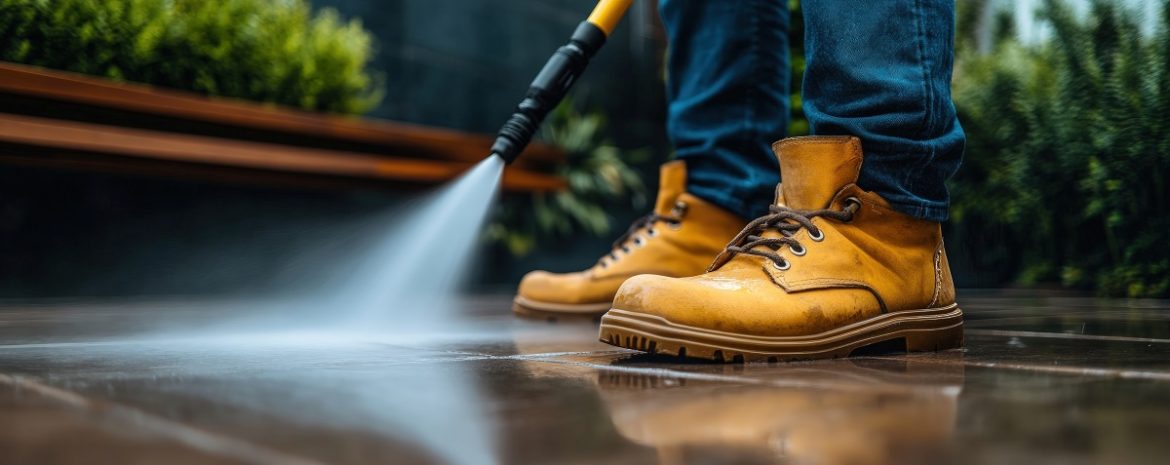
Highlights:
- Stick to 2,500–3,000 PSI — going higher is rarely needed for residential concrete and dramatically increases the chance of surface erosion or pitting.
- The green 25-degree nozzle is your best friend — it hits the sweet spot between cleaning power and safety. Save the yellow 15-degree tip for stubborn stains only, and never touch the red 0-degree on concrete.
- Always pre-treat before you pressure wash — applying a degreaser and letting it sit for 5–10 minutes does the heavy lifting so you can clean effectively at lower pressure.
- Keep the wand moving at all times — lingering over one spot, even briefly, can etch the surface. Use smooth, overlapping strokes and maintain 12–18 inches of distance from the concrete.
- Fill cracks before you wash — pressure washing over existing cracks forces water deeper into them and can make structural damage significantly worse.
- New concrete needs 30 days to cure — washing too soon damages the surface layer and interferes with the curing process. When you do start, use lower pressure and a wider nozzle.
- Seal after washing for long-lasting results — a concrete sealer protects against future stains, water damage, and freeze-thaw cracking, and makes every subsequent cleaning job easier.
Your driveway takes a beating every single day. Oil drips, tire marks, dirt tracked in from the street, mold, and algae all pile up over time until what used to be a clean concrete surface starts to look like something out of a neglected parking lot. Pressure washing is one of the fastest and most satisfying ways to get that driveway looking sharp again, but if you do it wrong, you can end up with pitting, surface erosion, or even cracks that were not there before. The good news is that with the right technique and a little patience, you can get a spotless result without doing any damage in the process.
This guide walks you through every step, from choosing the right equipment to finishing up like a pro. Whether this is your first time picking up a pressure washer or you have done it before and just want to make sure you are not making any costly mistakes, you are in the right place.
What You Need Before You Start
Before you fire up the pressure washer, it pays to take a few minutes to gather the right gear and prep your space. Skipping this step is how people end up with streaky results or, worse, a cracked driveway. Here is what you will need:
- A pressure washer rated between 2,500 and 3,000 PSI for concrete surfaces
- A 25-degree or 40-degree spray nozzle (avoid the 0-degree red tip on concrete)
- A concrete-safe detergent or degreaser
- A stiff-bristle deck brush or push broom
- Safety glasses and waterproof boots
- A garden hose with sufficient water pressure to supply the machine
- Painter’s tape or plastic sheeting to protect nearby plants, outlets, or walls
If you are renting a pressure washer rather than buying one, let the rental shop know you are working on concrete. They can point you toward the right machine and make sure you have the correct attachments. Gas-powered pressure washers generally deliver more consistent PSI for driveways, but a high-quality electric model in the 2,500 PSI range will also get the job done.
Why Concrete Damage Happens in the First Place
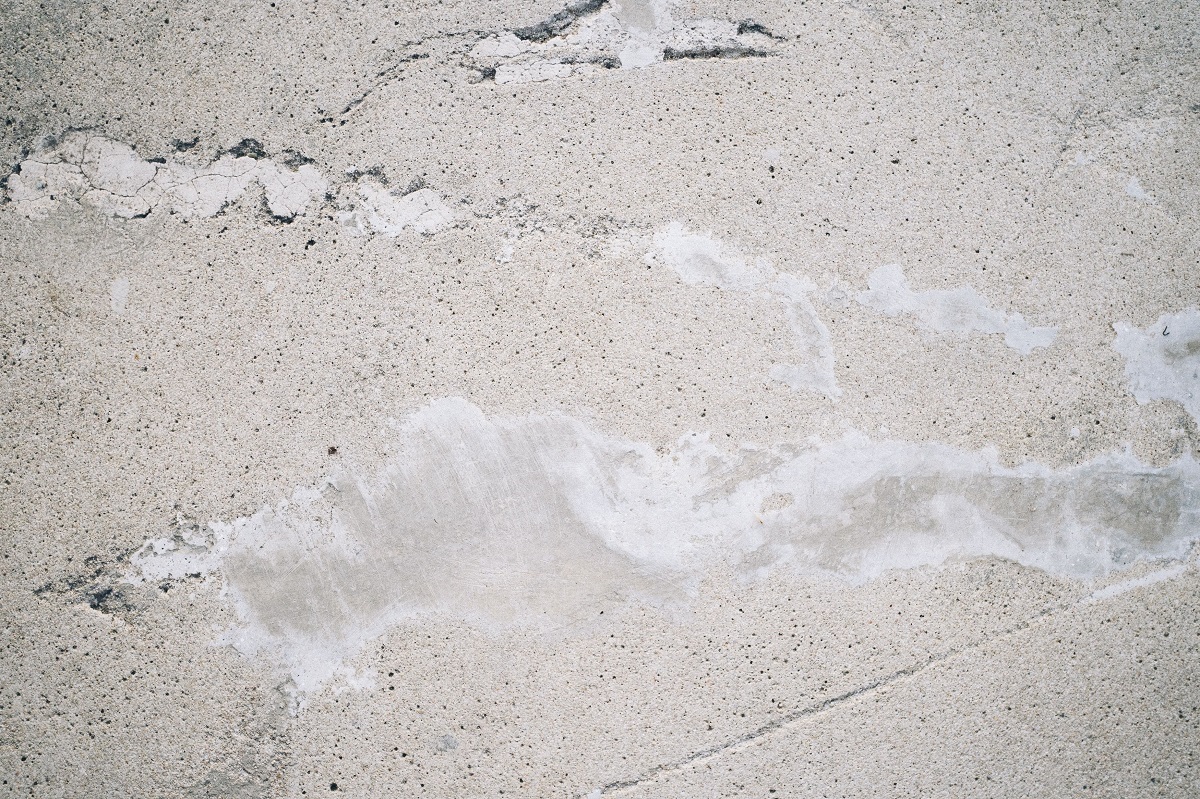
A lot of homeowners assume that because concrete is tough, it can handle anything you throw at it. That is only partly true. Concrete is strong under compression, but the surface layer is actually more vulnerable than it looks. When you hit it with too much water pressure at too close a range, you can blast away the cement paste that binds the surface together. What you are left with is a rough, exposed aggregate texture that looks worn and becomes even harder to clean in the future.
Holding the nozzle too close, using the wrong tip, or staying in one spot too long are the three most common reasons pressure washing goes wrong. Older driveways, driveways with existing cracks, or concrete that was not cured properly are even more susceptible. Understanding this is half the battle. Once you know what causes the damage, it becomes a lot easier to avoid it.
How to Choose the Right PSI and Nozzle for Your Driveway
PSI stands for pounds per square inch and it tells you how much force the water is hitting the surface with. For standard residential concrete driveways, you want to stay in the 2,500 to 3,000 PSI range. Going above 3,000 PSI is usually unnecessary for a driveway cleaning job and significantly increases the risk of surface damage, especially on concrete that is more than 10 years old.
The nozzle you use matters just as much as the PSI. Nozzles are color-coded and designed for different spray patterns:
- Red (0-degree): Concentrates all the pressure into a single point. Never use this on concrete. It will cause surface damage almost immediately.
- Yellow (15-degree): Very powerful and useful for removing caked-on stains or heavy grime, but still risky if you hold it too close.
- Green (25-degree): The sweet spot for most concrete driveway cleaning. Powerful enough to lift dirt and stains without being too aggressive.
- White (40-degree): Good for lighter rinsing and finishing passes. Also ideal for older or more delicate concrete.
Start with the 25-degree green nozzle for your main cleaning pass. If you have stubborn oil stains that are not budging, you can carefully switch to the 15-degree yellow nozzle, but keep the wand moving at all times and maintain a distance of at least 12 inches from the surface.
Step-by-Step: How to Pressure Wash a Driveway the Right Way
Now that you have your gear ready and understand the basics, here is how to approach the actual wash from start to finish.
Step 1: Clear the Driveway
Move cars, bikes, trash cans, and any other objects off the surface. Sweep away loose debris like leaves and gravel with a broom first. This prevents you from blasting small rocks into your car, windows, or yourself once you start the machine.
Step 2: Pre-treat Stains and Apply Detergent
Apply a concrete degreaser or pressure washer detergent to the driveway, focusing especially on oil stains, rust spots, and any heavily soiled areas. Let it sit for about 5 to 10 minutes. Do not let it dry completely. A stiff-bristle brush can help work the detergent into stubborn stains before you bring in the water pressure. This step makes a huge difference in the final result and means you can use lower pressure overall, which is safer for the concrete.
Step 3: Start Washing from the Top and Work Downward
Begin at the highest point of the driveway and work your way toward the street or a drainage area. This keeps dirty water moving away from the section you just cleaned rather than flowing back over it. Use smooth, overlapping strokes, similar to mowing a lawn. Keep the wand moving at all times and maintain a consistent distance of about 12 to 18 inches from the surface.
Step 4: Rinse Thoroughly
Once you have made your cleaning pass, switch to a wider-angle nozzle or lower the pressure and do a full rinse of the surface. This removes any leftover detergent, which can leave a residue if not fully washed away. Rinse in the same top-to-bottom direction you used when cleaning.
Step 5: Let It Dry Completely
Give the concrete at least 24 hours to fully dry before parking on it again, applying a sealer, or walking on it with dirty shoes. Concrete is porous and retains moisture, so do not rush this step, especially if you plan to apply a sealant afterward.
Should You Seal Your Driveway After Washing It?
If your driveway is in decent shape and you want to keep it that way, sealing after a pressure wash is one of the smartest things you can do. A concrete sealer creates a protective barrier that repels oil, water, and staining agents, which means your next cleaning job will be a whole lot easier. It also helps prevent freeze-thaw cracking in colder climates, which is a bonus if you are in a region that gets hard winters.
Penetrating sealers soak into the concrete and protect from within without changing the look of the surface. Film-forming sealers sit on top and give a slightly glossy finish that many homeowners prefer. Either way, make sure the surface is completely dry and free of dust before applying. Most sealers need 48 to 72 hours of cure time, so plan accordingly. This is one of those affordable curb appeal projects that takes minimal time but has a noticeable visual payoff that lasts for years.
Common Mistakes That Can Ruin Your Concrete
Even experienced pressure washers make mistakes, and with concrete, the consequences can be permanent. Here are the most common errors to watch out for:
- Using too much pressure: If you are seeing the surface change texture or look rough and gravelly as you wash, you are probably using too much PSI or holding the wand too close.
- Staying in one spot too long: Even at the correct PSI, holding the nozzle over the same area for more than a couple of seconds can cause etching.
- Skipping the pre-treatment step: Trying to blast out deep stains with pressure alone usually means you need to crank up the PSI, which increases the damage risk. Detergent does the heavy lifting so you do not have to.
- Washing over cracks without addressing them first: Pressure washing can push water down into existing cracks and worsen them. Fill any cracks with a concrete repair compound before washing.
- Using the wrong detergent: Some cleaning products contain acids that can damage concrete or harm nearby vegetation. Always check the label and look for products specifically designed for concrete.
How Often Should You Pressure Wash Your Driveway?
For most residential driveways, once a year is enough to keep things looking clean and prevent the buildup of grime, mold, and oil. If you live in an area with heavy rainfall, lots of tree coverage, or a wet climate where algae and moss grow quickly, you might want to do it twice a year. On the other hand, if your driveway gets very light use, every 18 months to 2 years is totally fine.
Including pressure washing as part of your basic property maintenance routine is one of the easiest ways to protect your investment and keep the exterior of your home looking well cared for. A clean driveway is the first thing visitors notice, and it sets the tone for the rest of the property.
Spring is usually the best time to pressure wash, right after winter ends and all the road salt, mud, and debris from colder months have settled. Fall is also a solid option if you want to clean up after summer and prep the surface before applying a fresh coat of sealer heading into cooler weather.
Tips for Dealing with Stubborn Oil and Grease Stains
Oil stains are the toughest challenge when pressure washing a concrete driveway. Fresh oil spills are much easier to deal with than old, set-in stains. For recent spills, absorb as much of the oil as possible with cat litter or baking soda before applying a degreaser. Let the degreaser sit for at least 10 to 15 minutes, then scrub with a stiff brush before washing.
For older, darker stains that have soaked deep into the concrete, you may need to repeat the pre-treatment process two or three times. Some stains will not come out completely, especially if they have been there for years. In that case, a concrete stain or sealer can help blend the area visually while protecting the surface going forward. There are also commercial-grade degreasers available at hardware stores that are significantly stronger than standard residential products.
Never use bleach directly on concrete to remove oil stains. Bleach does not dissolve grease and can actually cause surface discoloration. Stick with alkaline-based degreasers that are formulated for concrete.
Is It Safe to Pressure Wash a New Concrete Driveway?
This is a question a lot of homeowners get wrong. New concrete needs time to cure fully, and that process takes longer than most people think. While concrete reaches a usable hardness within about 7 days, it does not reach full strength for roughly 28 days. Pressure washing before that point can damage the surface layer and interfere with the curing process.
If your driveway was freshly poured, wait at least 30 days before using a pressure washer on it. When you do start washing, use the lower end of the pressure range, around 1,500 to 2,000 PSI, and stick with the white 40-degree nozzle. New concrete is more porous and more vulnerable to surface etching, so going easy in those first few washes will pay off in the long run.
Your Driveway Deserves a Little Attention
Pressure washing a concrete driveway is one of those jobs that looks intimidating but is genuinely approachable once you understand the basics. The key is using the right PSI, the right nozzle, keeping the wand moving, and taking a few minutes to pre-treat stains before you start spraying. Do those things and you are going to get a clean, undamaged driveway that looks dramatically better than when you started.
The whole process from setup to rinse usually takes two to four hours for a standard two-car driveway. That is not a huge time commitment for a result that can genuinely transform the look of your home’s exterior. Take your time, stay consistent with your technique, and do not rush the drying or sealing process. Your driveway will thank you for it.